← Best Supplements for Weight Loss: What Actually Worked for Me in 2025
Whether you're on a health journey or just curious about where you stand, knowing your Body Mass Index (BMI) is a great starting point. BMI is a quick, easy-to-use measurement that gives you a general snapshot of your body weight relative to your height. It's not a perfect measure of health on its own, but it's a widely used tool that can help you and your doctor identify potential weight-related health risks. The best part? You don't need any fancy equipment to figure it out — just a few numbers and a simple formula.
The BMI Formula Explained
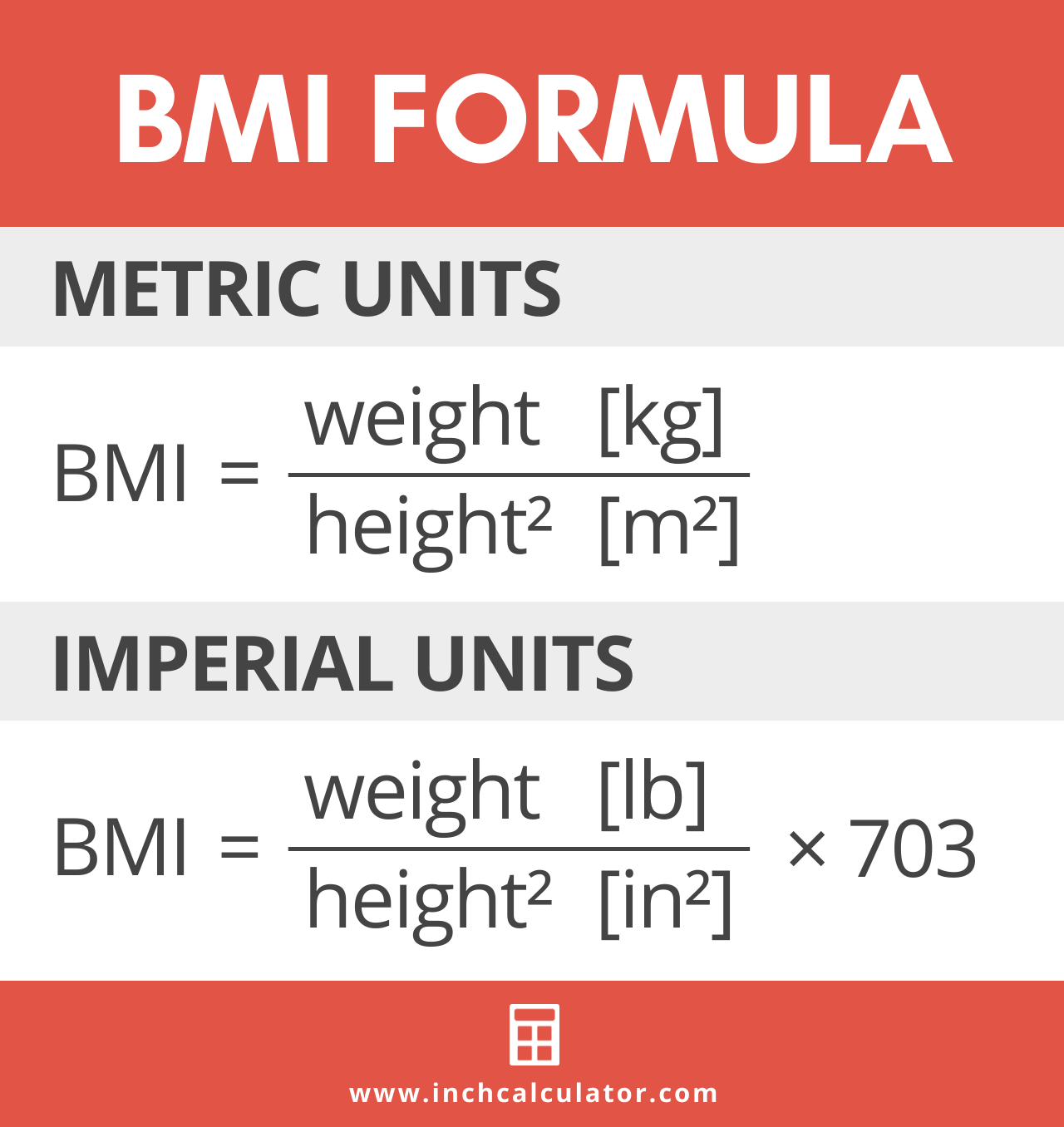
At its core, the BMI formula is straightforward. If you're using the metric system, you divide your weight in kilograms by your height in meters squared. So if you weigh 70 kg and stand 1.75 meters tall, you'd calculate 1.75 ×.75 = 3.0625, then 70 by 3.0625 to get a BMI of roughly 22.9. For those imperial measurements, the formula adjusts slightly: your weight in pounds by your height in inches squared, then multiply the result by 703. For example, a person who weighs 154 pounds and is 5 feet 9 inches tall (69 inches) would calculate as follows: 69 × 69 = 4,761, then 154 ÷ 4,761 703 ≈ 22.7 Both methods land in the same place — a single number that slots into a standard classification range A BMI below 18.5 is considered underweight, 18.5 to 24.9 is normal weight, 25 to 29.9 falls into the overweight category, and 30 or above is classified as obese. These ranges apply to most adults regardless of age or sex making it a universally accessible screening tool.
Step-by-Step: How to Calculate Your BMI by Hand

Walking through the calculation yourself is easier than it sounds. Start by measuring your height accurately — stand straight against a wall without shoes for most reliable reading. Then step on a scale to get your current weight. Once you have both numbers, plug them into the appropriate formula based on your preferred unit system. If math isn't your strong suit, a simple calculator on your phone makes the arithmetic painless. Many people find it helpful to write down their numbers and track theirI over time, turning it into a personal benchmark rather than a one-time check. Keep in mind that BMI doesn't differentiate between muscle and fat, so athletes or very muscular individuals may score higher without any actual health risk. Similarly, older adults or people with naturally lower muscle mass might fall "normal" range while still carrying excess body fat. That's why BMI works as a conversation starter with your healthcare provider, not a final verdict Pair it with other indicators like waist circumference, body fat percentage, and overall lifestyle habits to get a fuller picture of your health The goal't to chase number it's to use the information to make informed, sustainable choices that support your long-term wellbeing.
Body Mass Index (BMI) Calculator
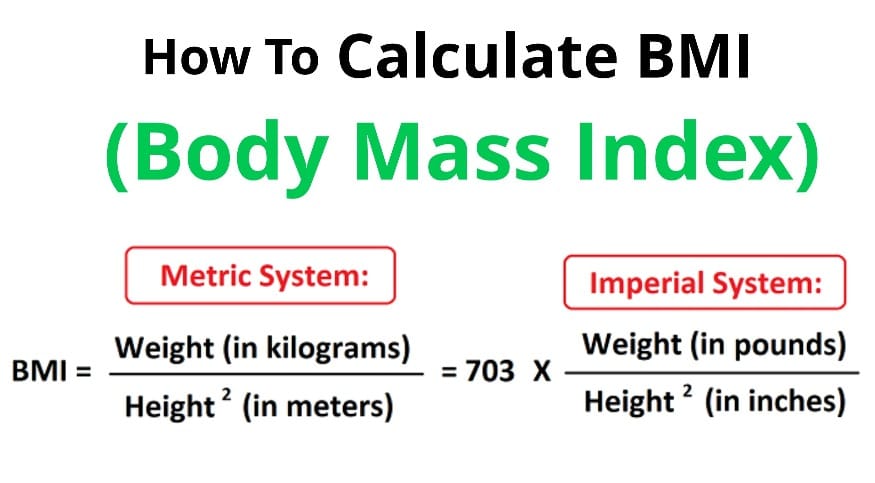
Body Mass Index (BMI) Calculator
How To Calculate Your Body Mass Index (BMI): Metric & US
-Step-2-Version-5.jpg/aid12367-v4-728px-Calculate-Your-Body-Mass-Index-(BMI)-Step-2-Version-5.jpg)
How to Calculate Your Body Mass Index (BMI): Metric & US
Bmi Formula BMI Calculator Formula Ppt Powerpoint Presentation

Bmi Formula BMI Calculator Formula Ppt Powerpoint Presentation