← Deadlift Form for Beginners: A Step-by-Step Guide to Lifting Safely and Effectively Best Protein Foods for Muscle Building: What I Eat to Fuel My Gains →
The squat is one of the most fundamental movements in fitness, yet it's also one of the most commonly performed incorrectly. Whether you're a beginner stepping into the gym for the first time or a seasoned lifter looking to refine your technique, nailing proper squat form is essential. Done right, squats build serious lower-body strength, improve mobility, and protect your joints. Done wrong, they can lead to nagging knee pain, lower back strain, and plateaus in your progress. The good news? A few key adjustments can completely transform the way you squat.
Mastering the Fundamentals of a Proper Squat
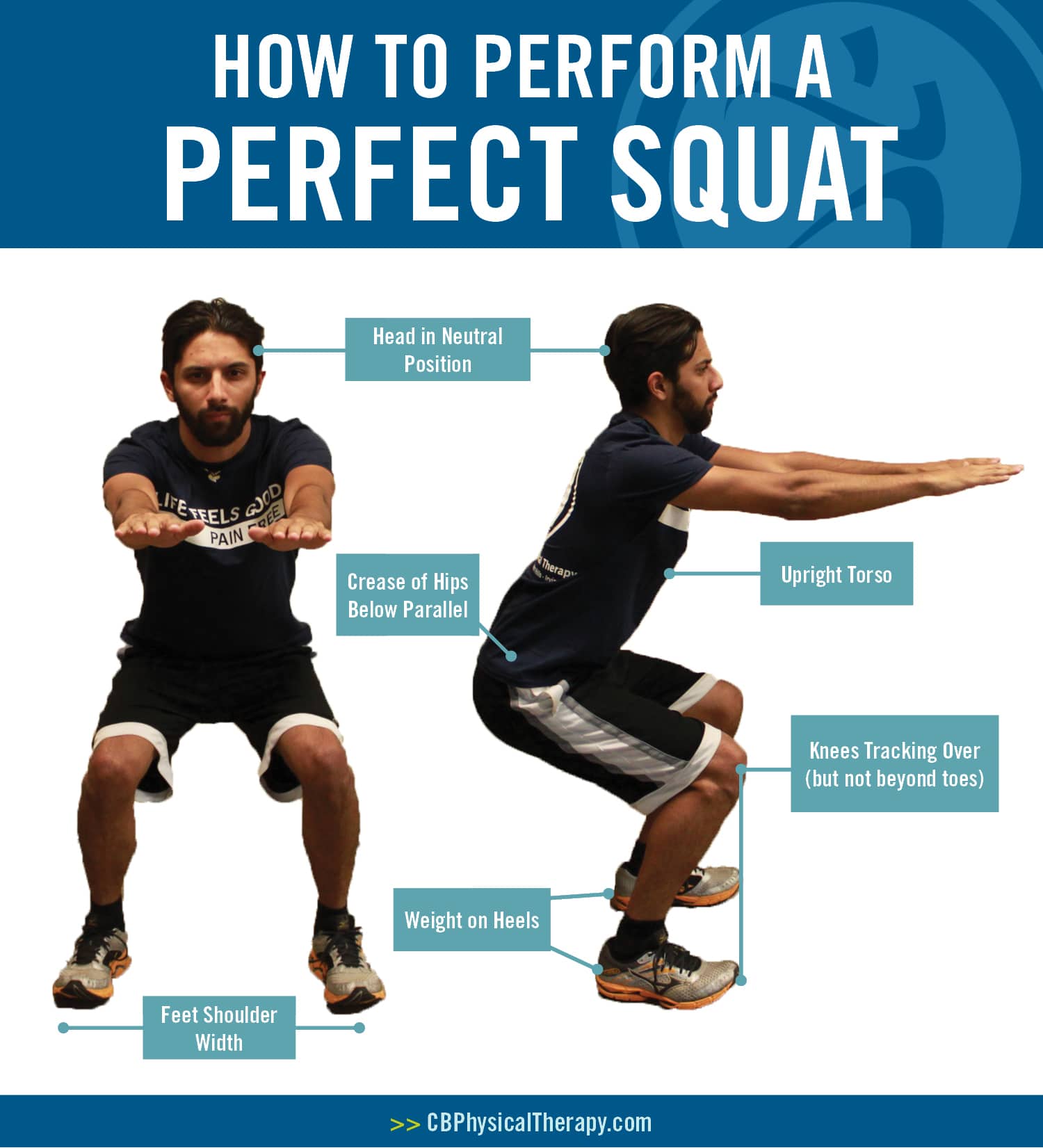
Before you add any weight to the bar, need to own the bodyweight squat. Start by standing with your feet shoulder-width apart, toes pointed slightly outward — somewhere between 15 and 30 degrees. As you begin to descend, push your hips back and down as if you're sitting into an invisible chair. Keep your chest tall your core braced, and your knees tracking in line with your toes — not caving inward. Your weight should be distributed evenly across your entire foot, with a firm connection through your heels and the balls of your feet. Aim to reach at least parallel meaning your hips drop to the level of your knees, though greater depth is fine long as your back stays neutral and doesn't round at the bottom Drive through your heels to stand back up, squeezing your glutes at the top. Practice this pattern consistently before adding any external load and you'll build foundation that carries over to every squat variation'll ever try.
The Do's and Don'ts of Squat Form You Need to Know

Understanding what to do is just as valuable as knowing what you should. One of the most common mistakes is letting knees collapse inward, also called valgus collapse. This puts enormous stress on the knee joint and is often a sign of weak glutes or poor ankle mobility. Another frequent error is excessive forward lean, where the torso drops too far forward — typically caused by tight hip flexors or limited flexibility. Heels rising off the floor is another red flag, indicating that your ankle mobility needs work you go heavier. On the flip side, the things you should always do include keeping your spine neutral from tailbone to the top of your head, breathing in on the way down and exhaling on the way up, and controlling tempo rather than collapsing under the load. Small details like where look matter — neutral gaze, not looking straight or down, helps keep your cervical spine in a safe position. Taking time to address these mechanics turns a mediocre squat into a powerful joint-friendly movement you can build on for years.
How To Do Squats Correctly

How To Do Squats Correctly
How To Do Squats Correctly
How To Do Squats Correctly
How To Do Squats Correctly

How To Do Squats Correctly