← The Ultimate Push-Up Guide: How to Flex Without Failing Miserably Deadlift Form for Beginners: A Step-by-Step Guide to Lifting Safely and Effectively →
Embarking on a marathon journey is an exciting challenge that requires dedication, smart planning, and the right training approach. Whether you're a novice aiming to complete your first half-marathon or an experienced runner targeting a specific time, a well-structured plan is your roadmap to success. This guide explores essential training strategies, from foundational beginner schedules to advanced techniques for optimizing pace and physiology, helping you build endurance, prevent injuries, and achieve your running goals.
Kickstarting Your Journey: A 12-Week Half-Marathon Plan for Beginners
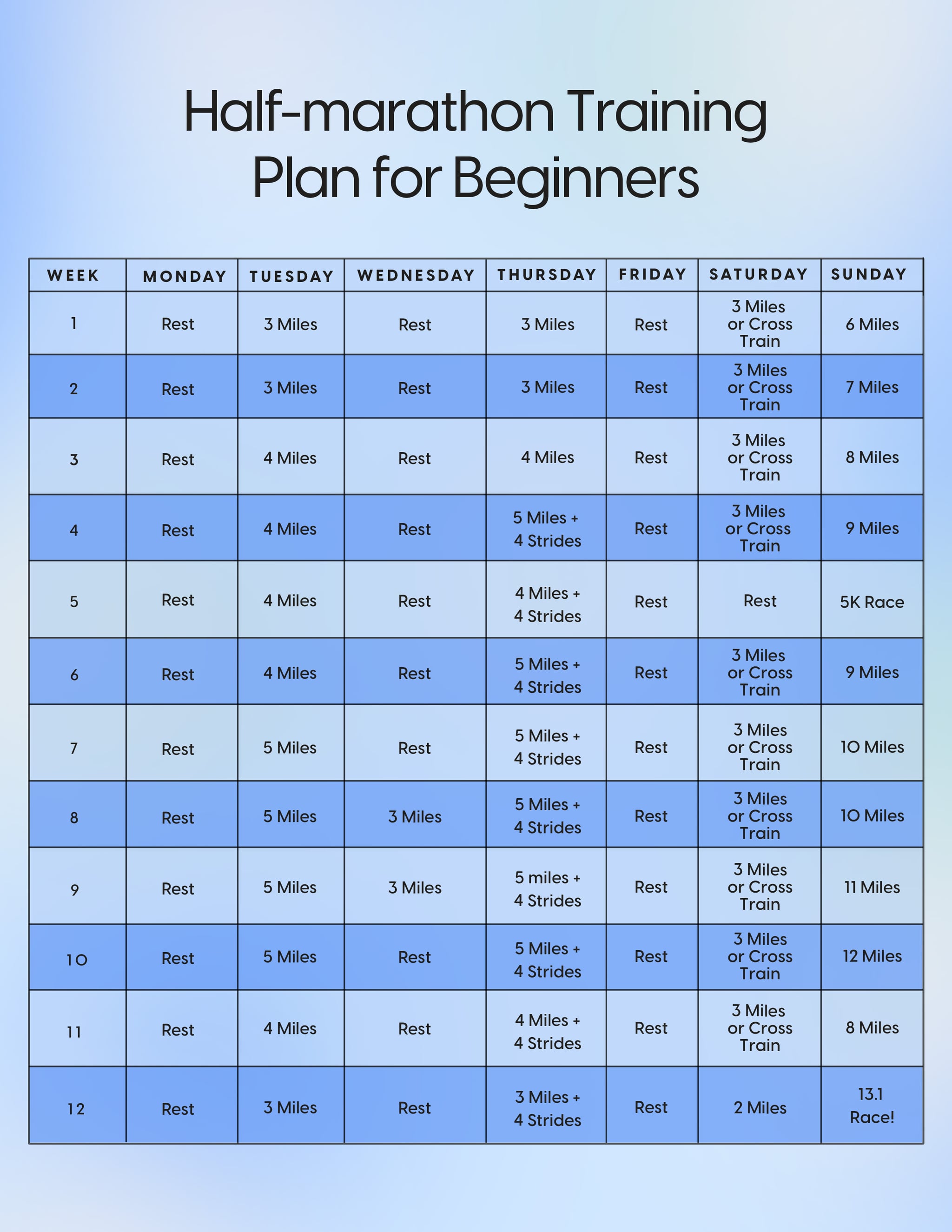
For those new to distance running, a 12-week half-marathon plan offers a balanced approach to building stamina without overwhelming your body. This schedule typically incorporates a mix of easy runs, long runs, cross-training, and rest days to foster gradual adaptation. Key to success is focusing on consistency and proper form, allowing your muscles and cardiovascular system to strengthen over time. Additionally, dietary requirements play a vital role; fueling with a balanced mix of carbohydrates, proteins, and healthy fats supports energy levels and recovery. Beginners should prioritize hydration, incorporate whole foods like fruits, vegetables, and lean proteins, and avoid processed sugars to maintain peak performance. By following this structured plan, you'll not only prepare for race day but also establish a lifelong foundation for healthy running habits.
Unlocking Performance: The 3:30 Marathon Training Blueprint

For runners aiming to break the 3:30 marathon barrier, training shifts toward refining pace and understanding the physiology of endurance. This advanced plan emphasizes specific workouts like tempo runs, interval sessions, and long runs at goal pace to enhance your lactate threshold and running economy. Pacing is crucial; maintaining a steady speed throughout the marathon prevents early burnout and leverages your body's aerobic efficiency. Physiologically, consistent training improves mitochondrial density in muscles, boosts blood volume, and optimizes oxygen uptake, allowing you to sustain faster speeds for longer. Incorporating strength training, proper tapering, and nutrition strategies, such as carb-loading before the race and fueling during runs, further elevates performance. By delving into these elements, you'll not only chase a time goal but also gain deeper insights into how your body responds to the demands of marathon running.
Ultimately, marathon training is a personalized journey that blends physical preparation with mental resilience. Whether you start with a beginner half-marathon plan or dive into advanced pacing techniques, the key lies in listening to your body, staying consistent, and enjoying the process. With the right plan, you'll transform challenges into achievements, crossing finish lines stronger and more confident than ever.
Train Smarter, Run Faster: Marathon Training Plans For All Levels

Train Smarter, Run Faster: Marathon Training Plans for All Levels
Blank Half Marathon Training Plan

Blank Half Marathon Training Plan
Printable Marathon Training Plan For Beginners - Printable Free Templates
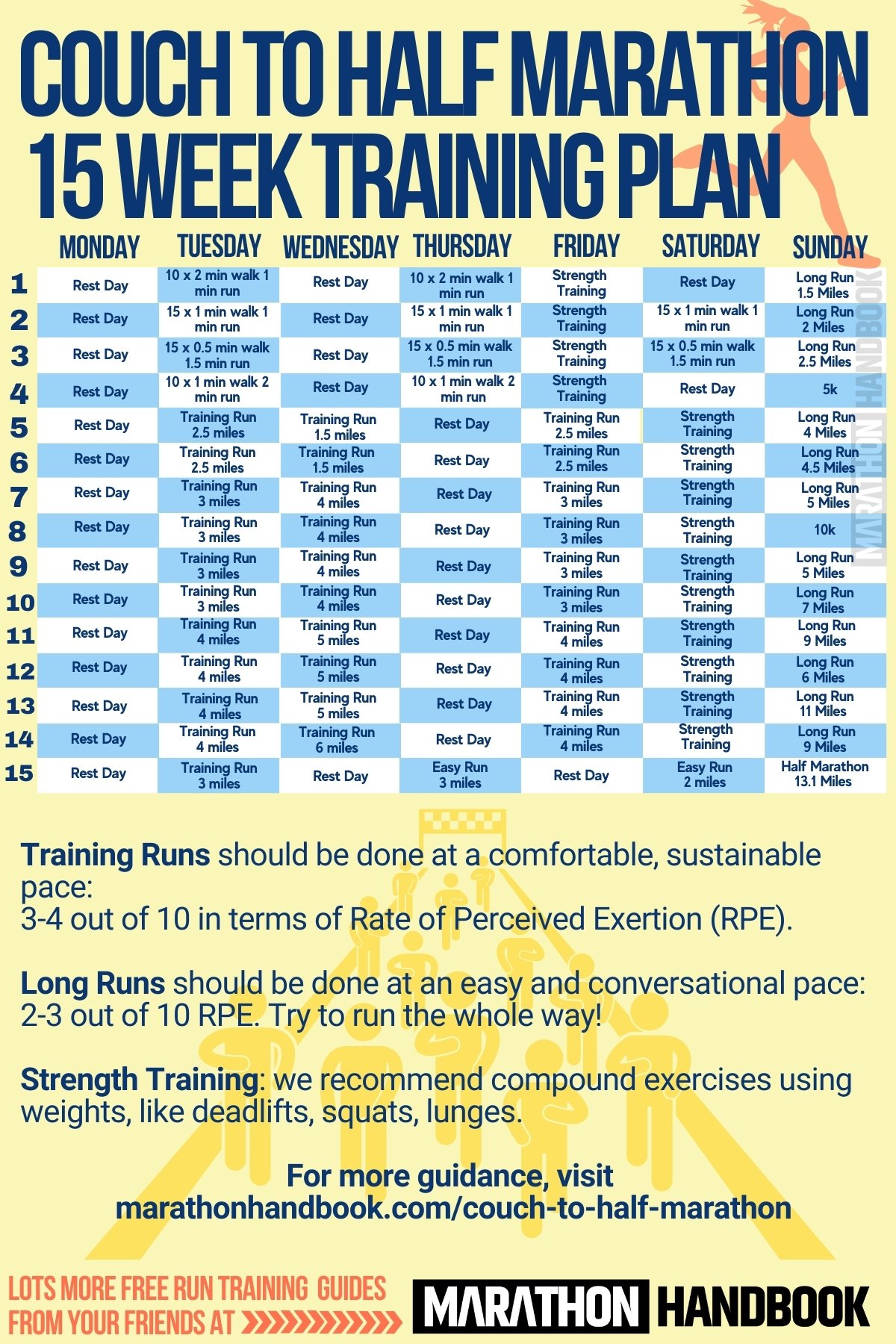
Printable Marathon Training Plan For Beginners - Printable Free Templates