← How to Avoid Turning Your Workout Into a Trip to the ER: A Survival Guide Natural Remedies for Sore Muscles: Time-Honored Healing Wisdom for Faster Recovery →
You pushed hard in the gym, crushed your run, or powered through that home workout — now what? What happens in the hours and days after exercise is just as important as the workout itself. Recovery isn't passive downtime; it's an active biological process where your body repairs muscle fibers, replenishes energy stores, and adapts to become stronger and more resilient. Skip it, and you risk fatigue, injury, and plateaus. Nail it, and you unlock consistent progress. Here's what you need to know about recovering smarter after every session.
Fueling Your Body Right After Exercise
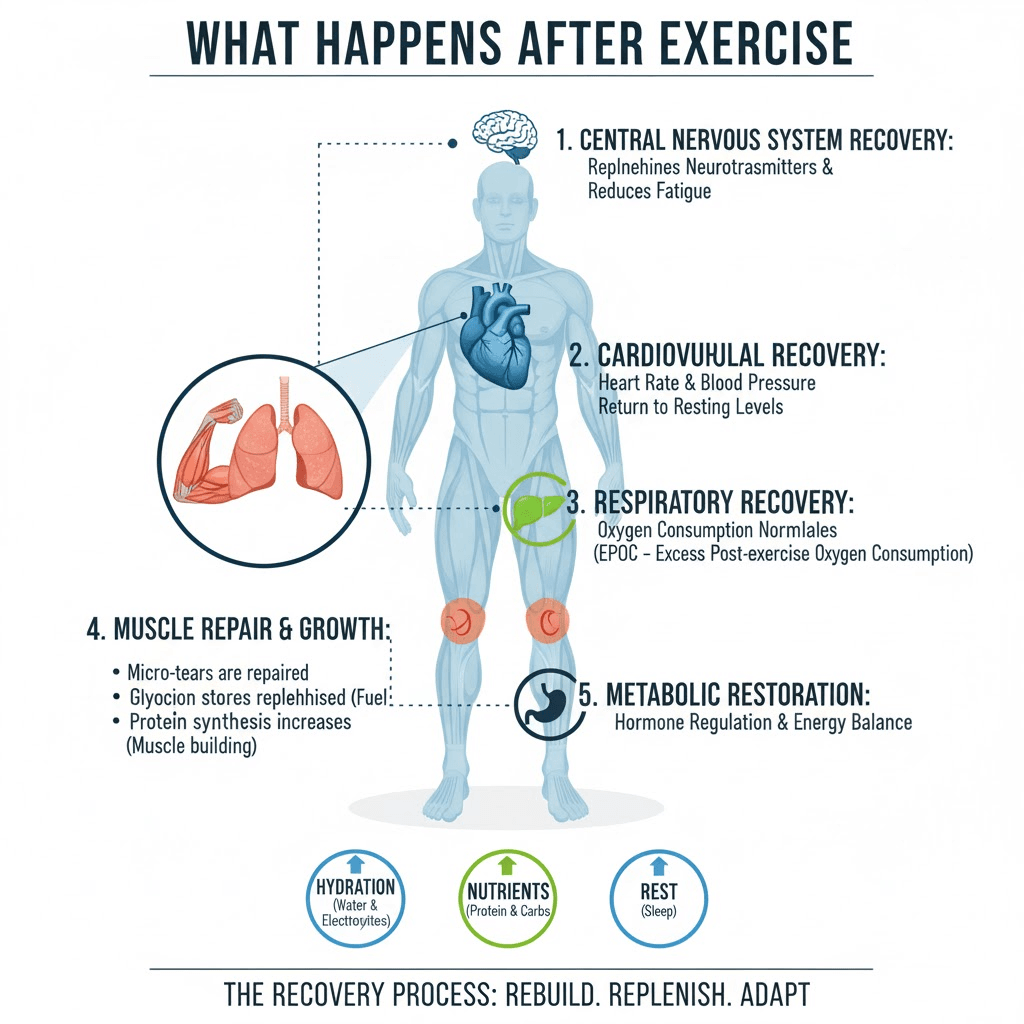
The first 30 to 60 minutes after a workout is often called the anabolic window — a critical period when your muscles are primed to absorb nutrients. Protein is star of the show here, providing amino acids your body needs to repair micro-tears in muscle tissue Plant-based proteins like pea, hemp, and brown rice protein are excellent options that deliver complete amino acid profiles without the digestive heaviness some people experience from whey. Pair your protein with complex carbohydrates to restore glycogen levels, and don't forget hydration. Even mild dehydration can significantly slow recovery. Electrolytes like sodium, potassium, and magnesium help restore was lost through sweat, so consider a balanced post-workout meal or shake covers all these basesUnderstanding Week-Long Muscle Recovery Timeline
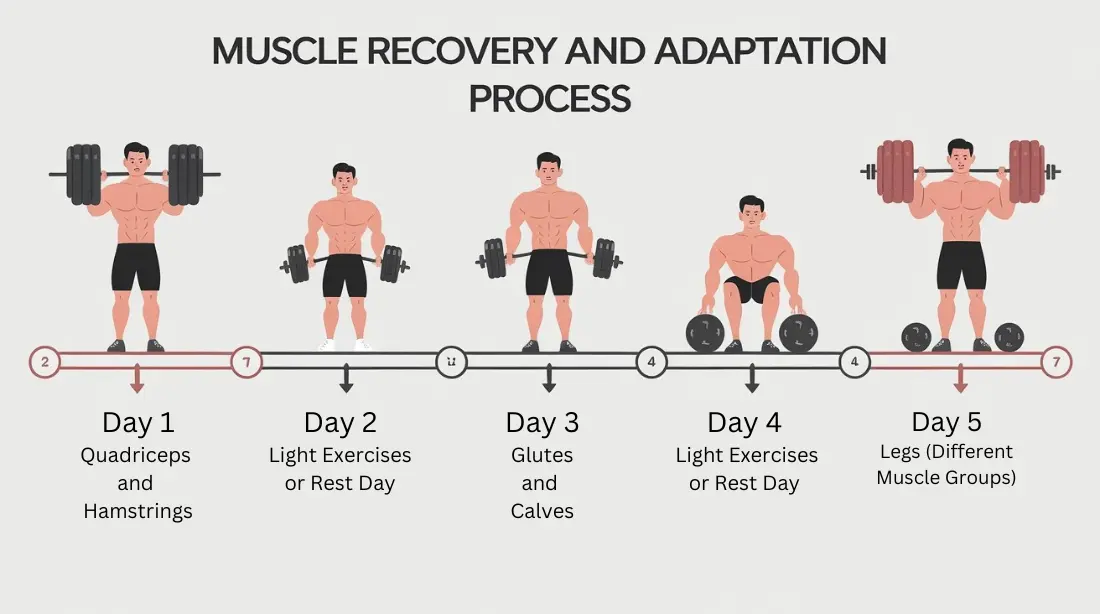
Muscle recovery doesn't wrap up overnight Depending on the intensity of your workout, the full repair adaptation cycle can span several days In the first 24 hours, inflammation peaks as your immune system rushes to the damaged tissue — this is completely normal and actually necessary for growth. By days two three, you may feel delayed onset muscle soreness (DOMS), which signals rebuilding is underway. Active recovery activities like light walking, yoga, or stretching on these days keep blood flowing without adding stress to fatigued muscles. By end of the week, with sleep, proper nutrition, and smart training spacing, your muscles emerge slightly stronger and more capable than before This cycle repeated consistently over weeks and months, is exactly how fitness gains are built. Prioritizing non-negotiable in this process — growth hormone drives tissue repair, is primarily released during deep sleep stages Aim for seven to nine hours per night and treat rest part of your training plan not a break it.
Muscle Recovery Tips At Conrad Williams Blog
Muscle Recovery Tips at Conrad Williams blog
Muscle Recovery Explained - What Happens Inside Your Body After A
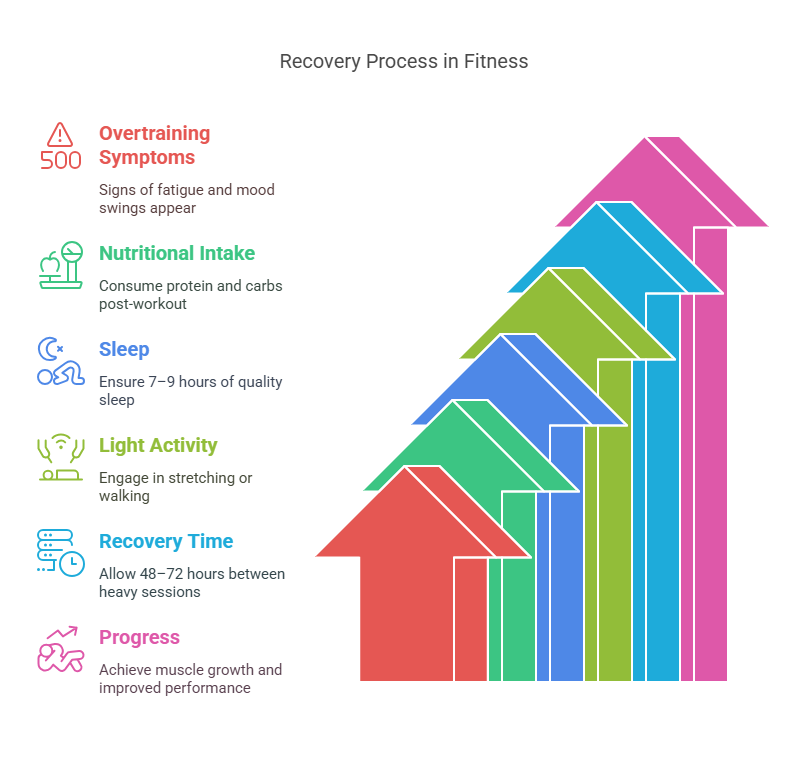
Muscle Recovery Explained - What Happens Inside Your Body After a ...
Tips To Speed Recovery After Exercise | What To Do After A Workout

Tips to Speed Recovery After Exercise | What to do after a workout ...