← Swimming for Weight Loss: How to Dive Into a Leaner, Stronger Body How to Stay Motivated to Work Out: Strategies That Actually Keep You Going →
Stress is something most of us deal with every single day, whether it comes from work deadlines, family pressures, or financial worries. What many people don't realize is that chronic stress doesn't just affect your mood or sleep — it can also quietly drive the number on the scale upward. The relationship between stress and weight gain is deeply rooted in biology, and understanding it is first step toward breaking the cycle.
The Role of Cortisol in Stress-Related Weight Gain

When your body perceives stress, it triggers the release of cortisol, often called the stress hormone. Cortisol is produced by the adrenal glands and plays an important role in the body's fight-or-flight response. In short bursts, this completely normal and even helpful. However, when stress becomes chronic, cortisol levels remain elevated for extended periods of time. This steady stream of cortisol increases appetite, particularly for high-calorie, high-fat, and high-sugar foods. It also slows metabolism and encourages the body to store fat, especially in the abdominal area. This is why people under prolonged stress often find themselves reaching for comfort foods and struggling to lose weight despite their best efforts. Elevated cortisol also interferes with insulin sensitivity, which can further complicate weight management over time.
The Stress-Belly Connection What You Can Do About It
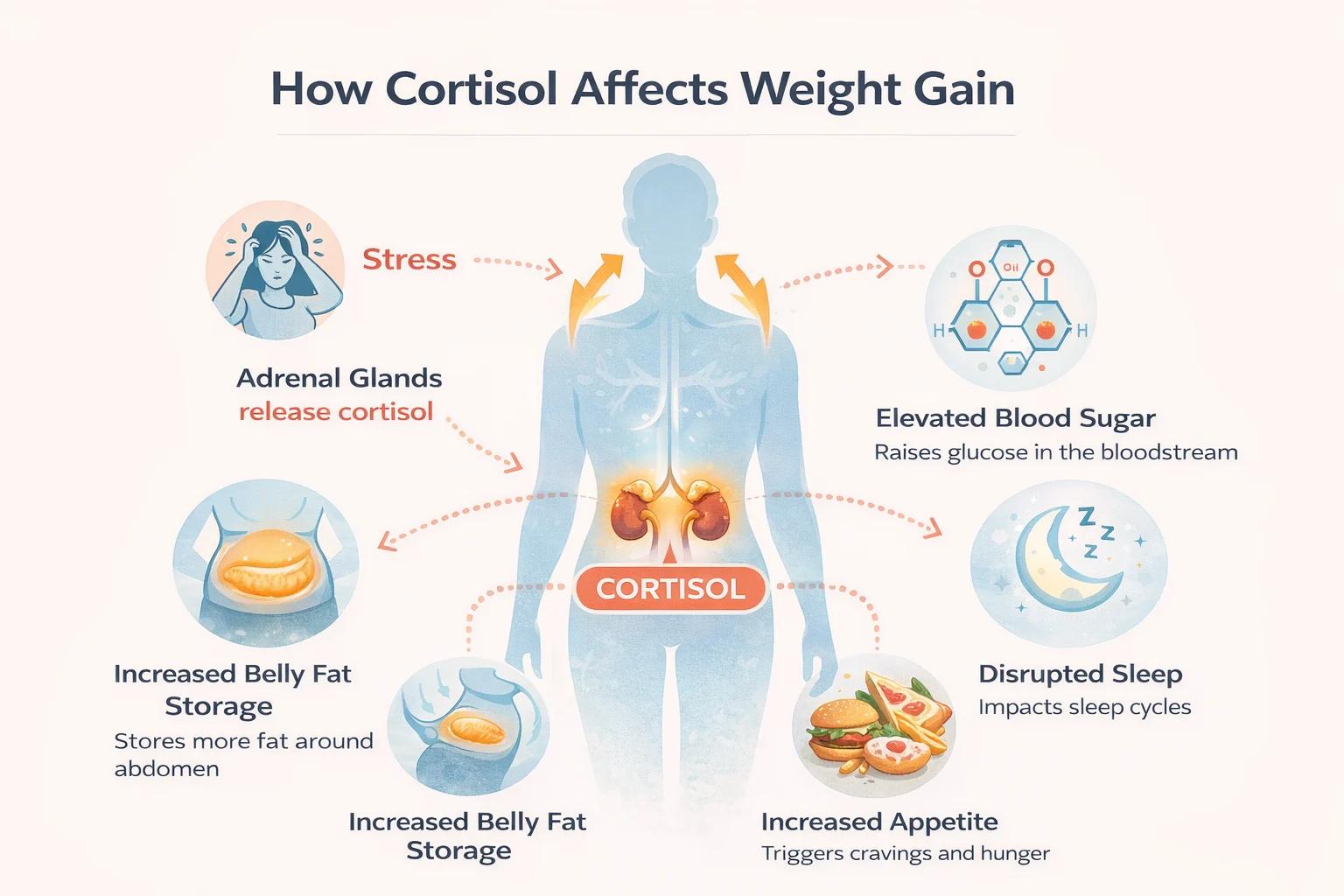
One of the most visible signs of stress-driven weight gain is the accumulation of fat around the midsection, commonly referred to as a belly. This happens because cortisol specifically targets visceral fat storage, which is the fat that wraps around your internal organs. Beyond being frustrating from appearance standpoint, visceral fat is also linked to higher risks heart disease, type 2 diabetes, and inflammation. The good news is that managing stress effectively can have a meaningful impact on bothisol levels and body weight Regular physical activity, even something as simple as a daily walk, has been shown to reduce cortisol and improve mood. Prioritizing quality sleep is equally important, since poor sleep elevates cortisol and increases hunger hormones like ghrelin. Mindfulness practices such as deep breathing, meditation, and yoga can also help regulate's stress response over Making small, consistent changes to how you handle stress can go a long way toward supporting a healthier weight overall well-being.
The connection between stress and weight gain is real, but it is not permanent. By recognizing howisol influences body and taking intentional steps to manage daily stress, you can create lasting change. It starts with awareness builds with habits that is something entirely within your reach.
Microblog: The Stress And Weight Gain - Nutrition With Judy
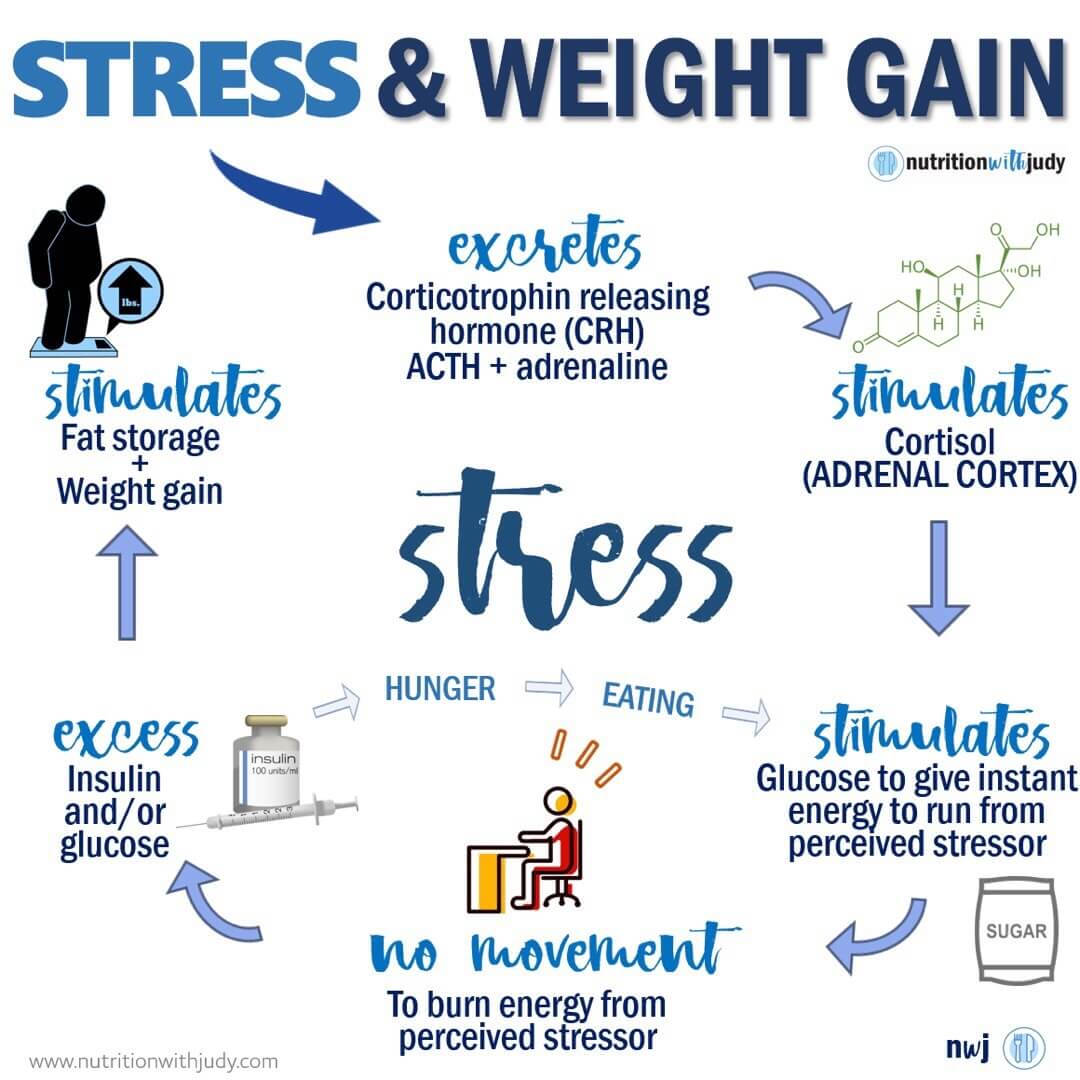
Microblog: The Stress and Weight Gain - Nutrition With Judy
Amfipoli News: Μήπως το άγχος σε παχαίνει; Κορτιζόλη και λίπος ποια η
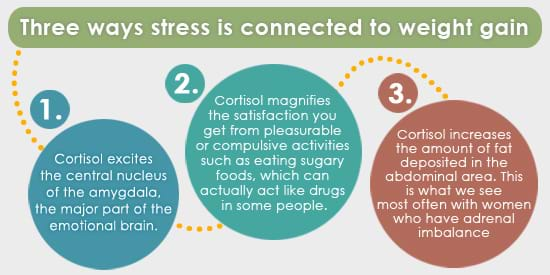
Amfipoli News: Μήπως το άγχος σε παχαίνει; Κορτιζόλη και λίπος ποια η ...
Stress Belly: Ayurvedic Guide To Hormones, Stress, Belly Fat
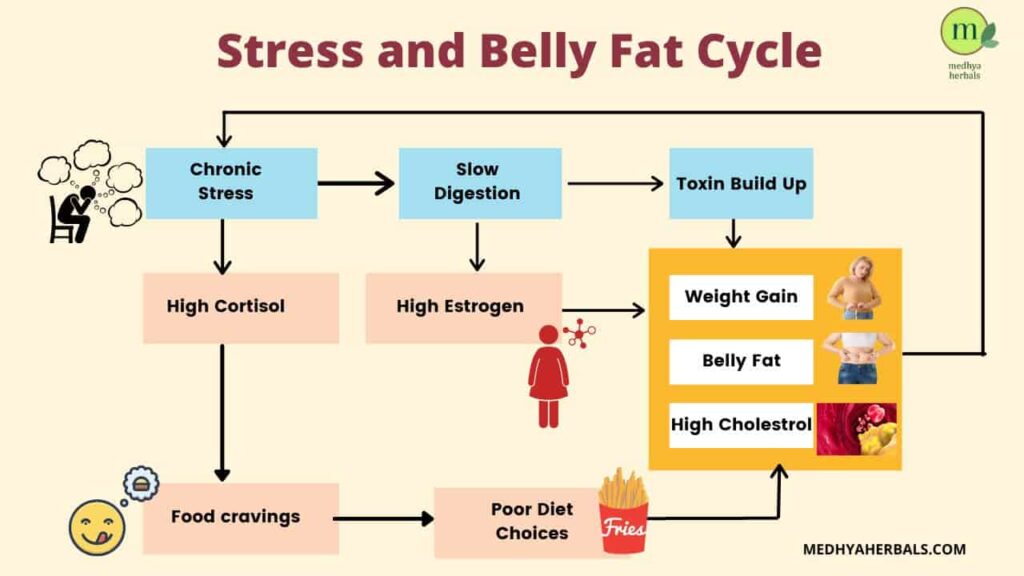
Stress Belly: Ayurvedic Guide to Hormones, Stress, Belly Fat