In today's fast-paced world, maintaining optimal flexibility is essential for overall health and physical performance. Stretching exercises are fundamental for improving range of motion, alleviating muscle stiffness, and reducing the risk of injuries during daily activities or workouts. By incorporating regular stretching routines into your fitness regimen, you can enhance joint mobility, promote better posture, and support muscle recovery. This article provides a professional guide to key stretching exercises designed to boost flexibility, ensuring you can move with greater ease and efficiency.
Comprehensive Stretch Routines for Flexibility
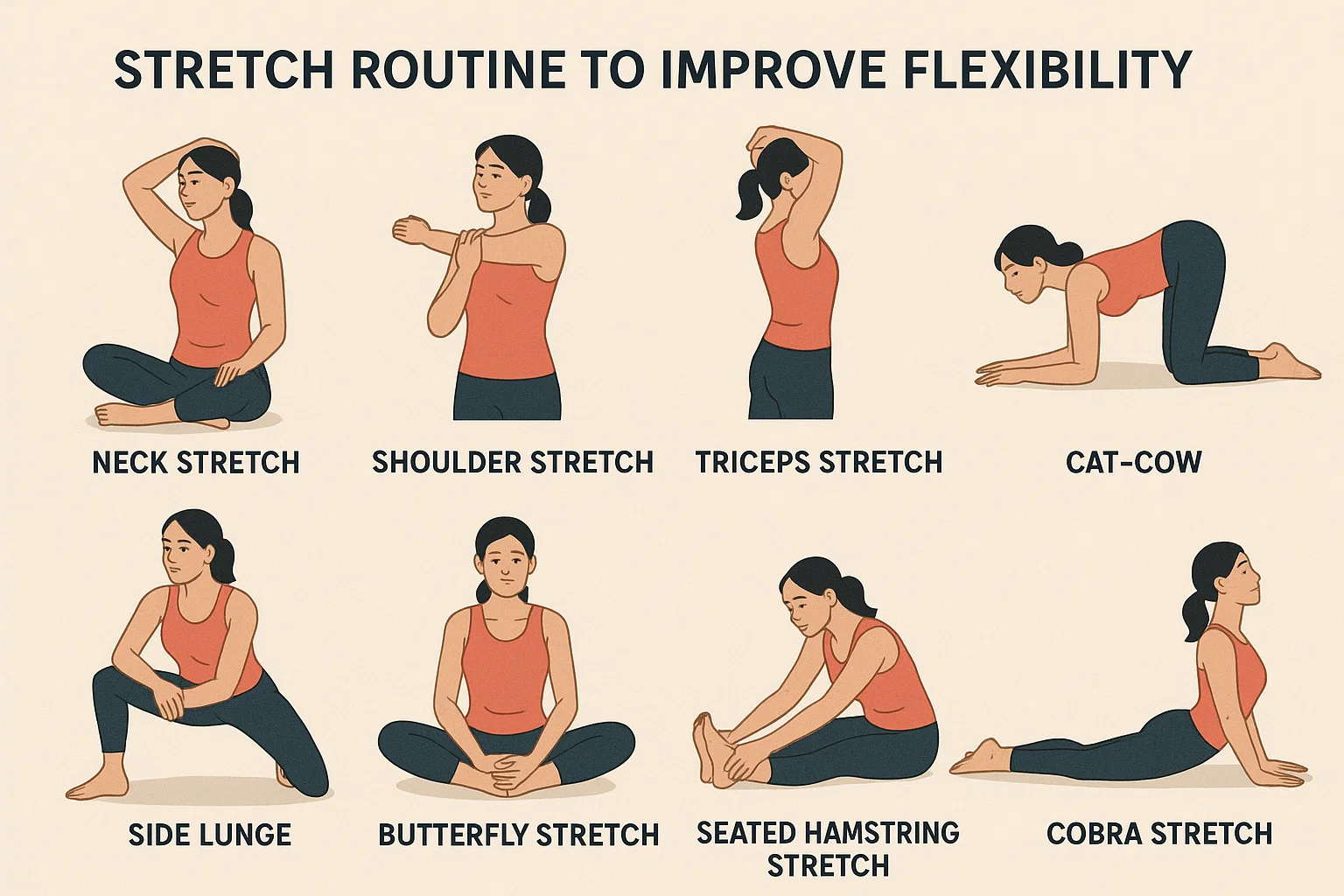
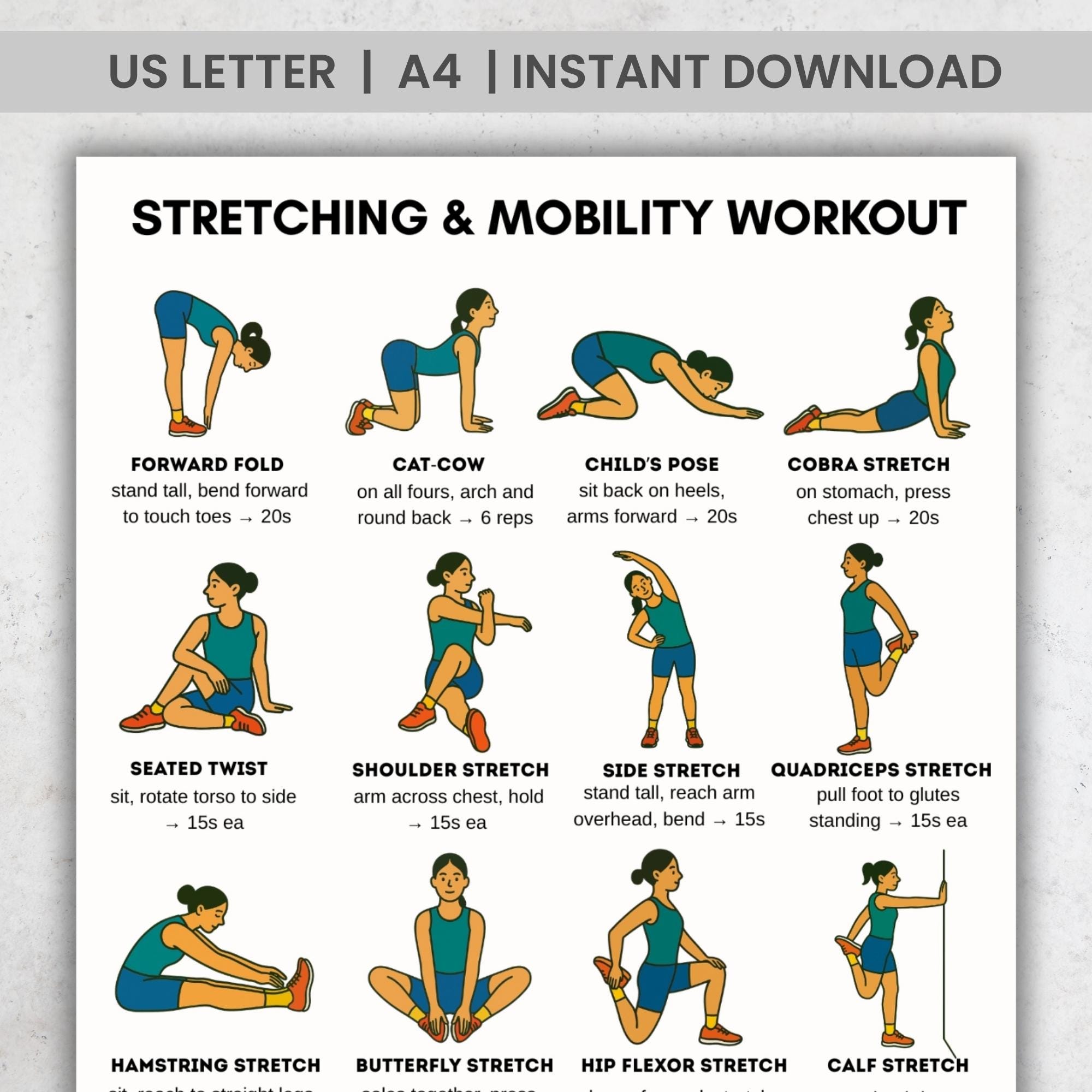
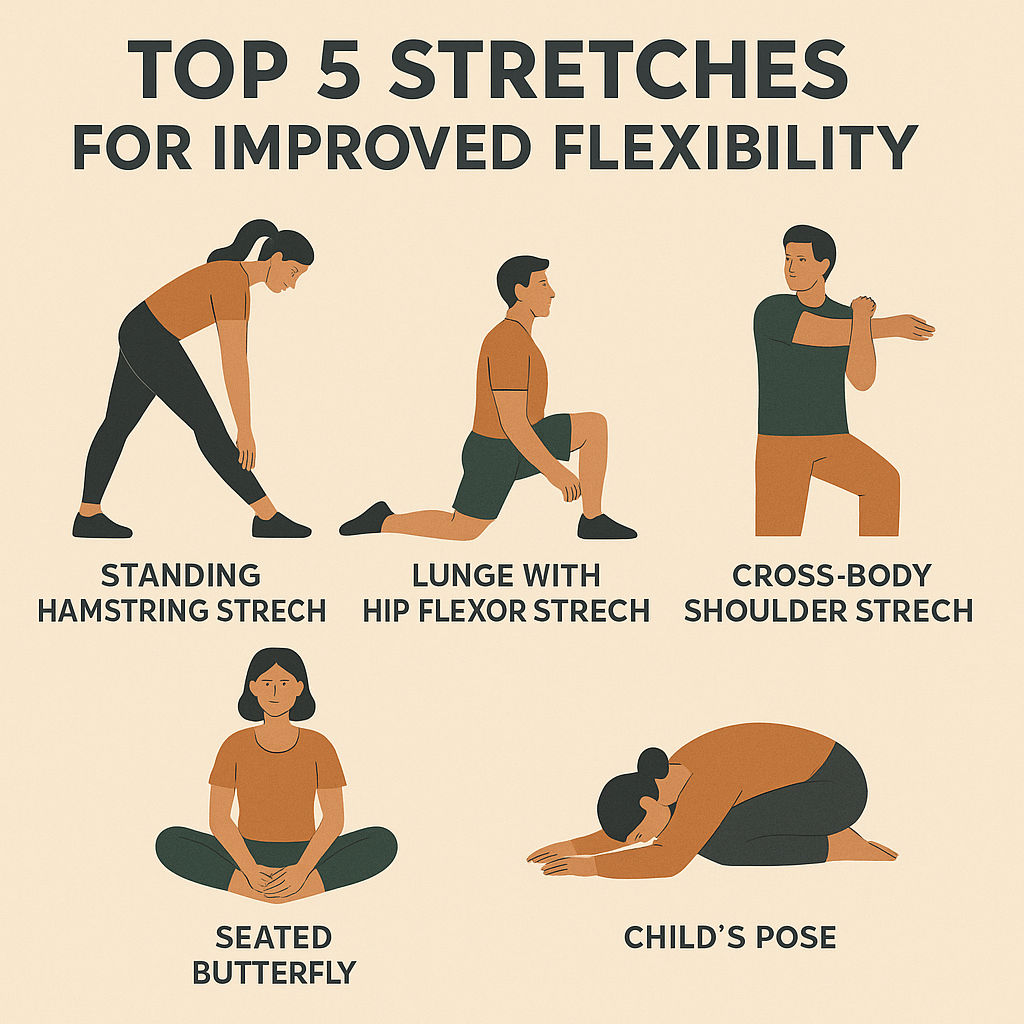
Effective stretch routines often begin with dynamic movements that warm up the muscles, followed by static holds to deepen flexibility. For instance, the hamstring stretch involves extending one leg forward while keeping the back straight, gently reaching towards the toes to lengthen the posterior chain. This exercise, when held for 20-30 seconds per side, helps alleviate tightness from prolonged sitting. Similarly, the quadriceps stretch targets the front thigh muscles by standing on one leg and pulling the other foot towards the glutes, enhancing knee stability and reducing strain. Incorporating these routines regularly, such as before or after exercise, can lead to significant improvements in muscle elasticity and joint function. Professional recommendations suggest performing these stretches in a controlled manner, avoiding bouncing, and breathing deeply to maximize relaxation and effectiveness. By integrating a variety of stretches, individuals can address common areas of tension, like the hips and shoulders, fostering a balanced approach to flexibility training.
Targeted Exercise Stretches for All Muscle Groups

Targeted exercise stretches are crucial for addressing specific muscle groups to achieve full-body flexibility. For the upper body, the shoulder stretch involves extending one arm across the chest and using the opposite hand to gently press it closer, which helps release tension from desk work or repetitive motions. The chest opener stretch, performed by clasping hands behind the back and lifting the arms, counteracts rounded posture and improves thoracic mobility. In the lower body, the calf stretch against a wall targets the gastrocnemius and soleus muscles, vital for ankle flexibility and preventing strains during activities like running. Additionally, the spinal twist, done seated on the floor with knees bent, promotes rotational mobility in the spine and aids in relieving back discomfort. These stretches should be performed mindfully, holding each position for at least 15-30 seconds to allow muscle fibers to relax and lengthen. Consistency is key; allocating 10-15 minutes daily to these exercises can yield noticeable enhancements in flexibility, contributing to better athletic performance and reduced risk of chronic pain.