← Burpee Exercise Benefits: Why This Full-Body Move Deserves a Spot in Your Routine Swimming for Weight Loss: How to Dive Into a Leaner, Stronger Body →
Walking is one of the most underrated yet highly effective ways to shed extra pounds and improve overall health. Unlike intense workout routines that demand special equipment or gym memberships, walking is free, accessible, and gentle on the joints. Whether you're strolling through a park in the early morning or taking a brisk walk after dinner, this simple habit can set you on a steady path toward your weight loss goals. The key lies in consistency, intention, and understanding the science behind how walking transforms your body over time.
The Science Behind Walking and Fat Loss

Many people wonder whether walking is truly effective for weight loss, and research consistently confirms that it is. When you walk at a moderate to brisk pace, your body burns calories through increased heart rate and muscle engagement. A 150-pound person walking for 30 minutes atisk pace can burn approximately 150 to 200 calories. Over weeks and months, this caloric expenditure adds up significantly. Beyond calorie burning, walking helps regulate blood sugar levels, reduces cortisol (the stress hormone linked to belly fat), and improves insulin sensitivity. Walking after meals is particularly beneficial, as it helps the body process glucose more efficiently. Regular walkers also tend to sleep better, and quality sleep is directly connected to healthy weight management. The cumulative benefits of daily walking extend well beyond the scale, supporting cardiovascular health, mental clarity, and a stronger immune system.
How Structure Your Walking Routine for Maximum Weight Loss

Having a structured walking plan dramatically increases your chances of achieving sustainable weight loss. Beginners should aim for at least 20 30 minutes of continuous walking per day, gradually increasing both duration and intensity over time. Incorporating interval walking, where you alternate between a comfortable pace and a faster stride, can elevate your heart rate and boost calorie burn by up to 20 percent compared to steady-paced walking. Setting a daily step goal another effective strategy — 8,000 to 10,000 steps per day widely recommended as a healthy target. Choosing varied terrain such as hills or inclined paths further challenges your muscles and increases energy expenditure. Pairing your walking routine with mindful eating habits, adequate hydration, and strength training sessions two to three times a week creates a well-rounded approach. Tracking your progress using a fitness app or pedometer keeps you motivated and accountable. Small consistent adjustments to your daily walking habit can lead to meaningful lasting changes in your body composition and overall well-being.
Walking Calories Chart – Artofit

Walking calories chart – Artofit
Why Walking Could Be The Secret To Successful Weight Loss

Why Walking Could Be The Secret To Successful Weight Loss
Free Walking Plan To Lose Weight: 4, 6, 8 & 12-Week Plans
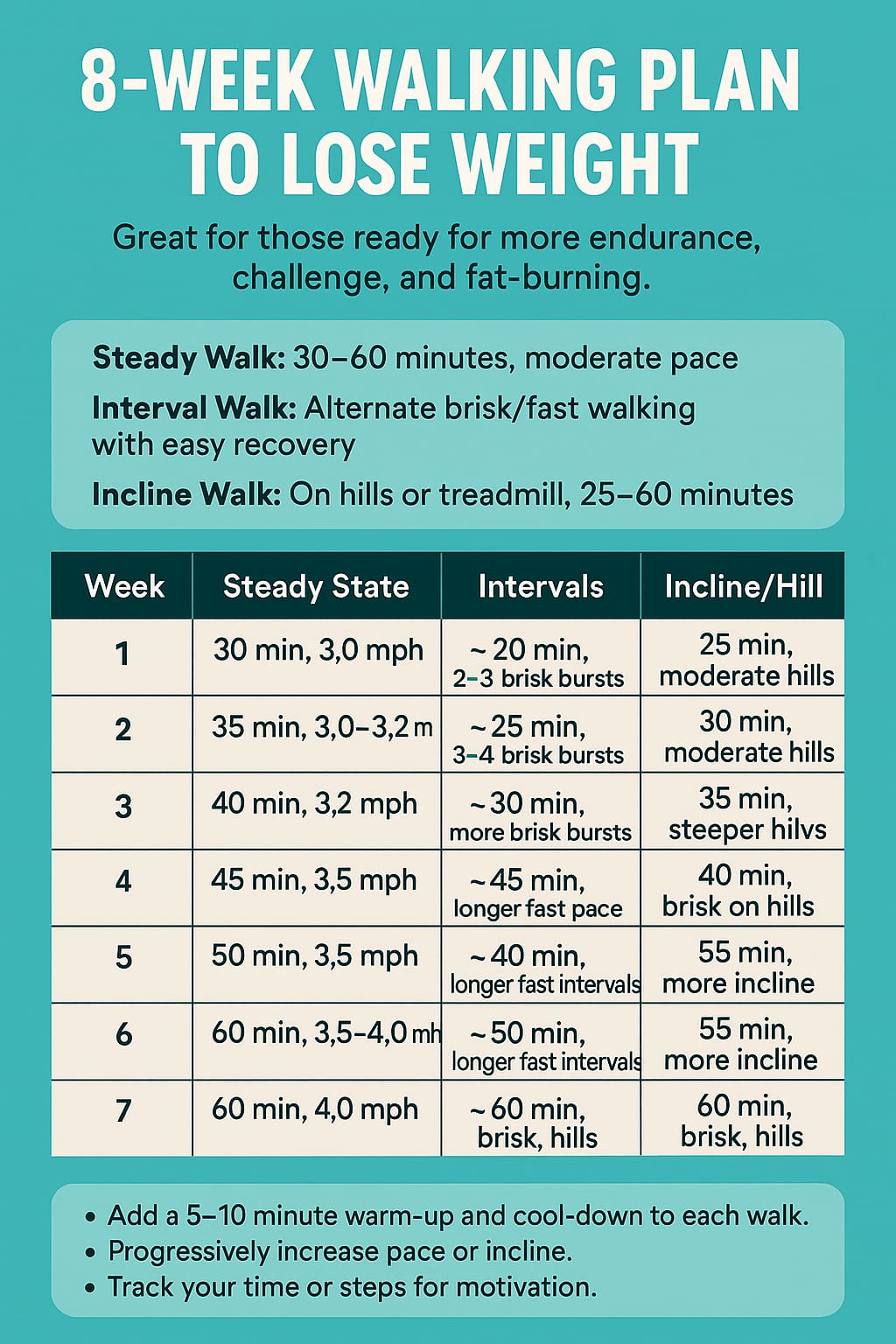
Free Walking Plan to Lose Weight: 4, 6, 8 & 12-Week Plans