← Keto Diet for Beginners: Your Complete Guide to Getting Started Best Post Workout Meals to Fuel Your Recovery and Build Muscle Faster →
Whether you're trying to lose weight, build muscle, or simply eat better, counting macros gives you a clear picture of what's actually going into your body. Unlike calorie counting alone, tracking macronutrients — protein, carbohydrates, and fat — helps you understand the quality and composition of your diet, not just the quantity. It sounds technical at first, but once you get the hang of the basics, it becomes second nature. Here's everything you need to know to get started.
Understanding the Basics of Macro Calculation
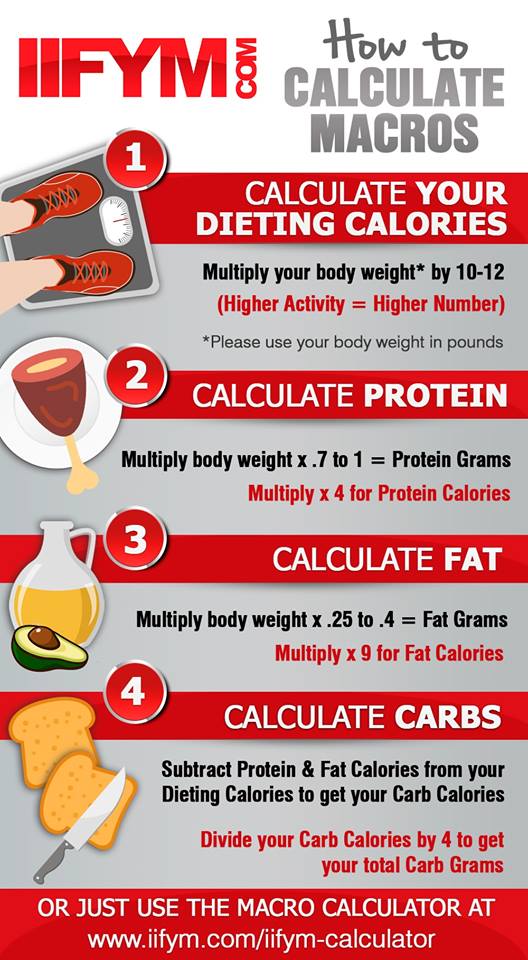
Before you start tracking anything, you need to figure out your daily macro targets. This begins with calculating your Total Daily Energy Expenditure, or TDEE — the number of calories your body burns in a day based on your age, weight, height, and activity level. Once you have your TDEE, you split those calories across three macronutrients. A common starting ratio is 40% carbohydrates, 30% protein, and 30% fat, though this will shift depending on your specific goals. Protein and carbohydrates each contain 4 calories per gram, while fat contains 9 calories per gram. So if your target is 2,000 calories with 30% coming from protein, that's 600 calories or about 150 grams of protein per day. Writing these numbers down or plugging them into a tracking app makes the process much more manageable from day one.
Building a Sustainable Macro Tracking Routine
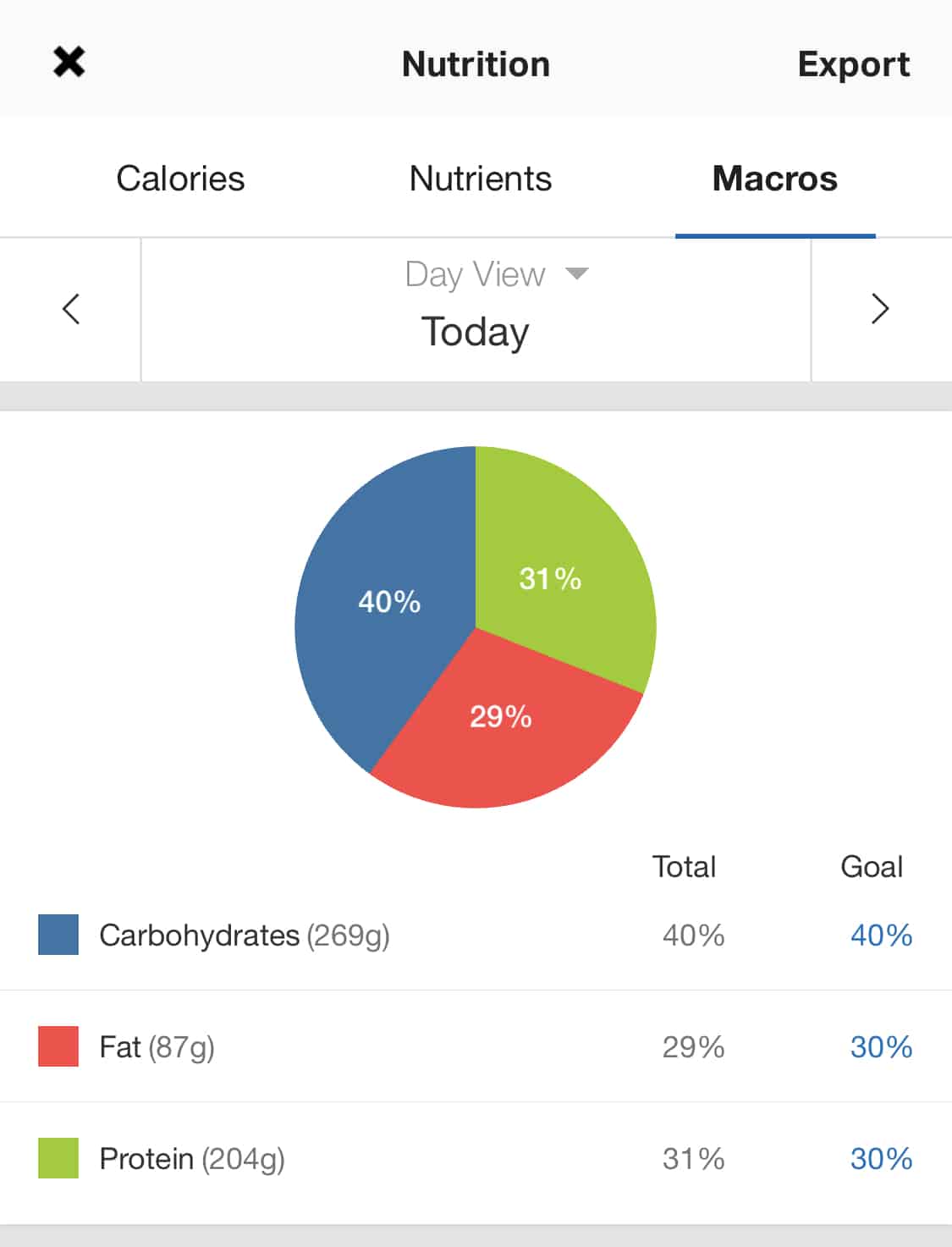
Knowing your numbers is only half the battle — real challenge is consistently hitting them. Start by logging everything you eat using a food tracking app like MyFitnessPal or Cronometer, which have large databases take the guesswork out of measuring macros. Invest in a simple kitchen scale, because eyeballing portion sizes is one of the most common reasons people fall short of their targets. Meal prepping in advance is another strategy makes significant difference, since you can calculate macros ahead of time and adjust portions before cooking rather than after eating. Give yourself a flexible window of plus or minus 5 to 10 grams per than obsessing over hitting exact numbers every single day. Consistency over time matters far more than perfection on any given day. As body changes and goals evolve, revisit your macro targets every four six weeks and adjust accordingly keep making progress.
Counting macros does require some effort upfront, but the clarity it gives you over nutrition is well worth it. You stop guessing and start making informed choices about every meal Over time, you'll develop an intuitive sense of what balanced looks like for your and your lifestyle whole process feel less like tracking and more like a natural part of your routine
Counting Macros 101 A Step By Step Guide – Artofit

Counting macros 101 a step by step guide – Artofit
Counting Macros 101 A Step By Step Guide – Artofit

Counting macros 101 a step by step guide – Artofit
Macros 101 A Step By Step Guide – Artofit

Macros 101 a step by step guide – Artofit