← Intermittent Fasting for Beginners: What You Need to Know Before You Start How to Count Macros: A Complete Beginner's Guide to Macro Tracking →
The ketogenic diet has gained significant popularity over the past decade, and for good reason. By shifting your body's primary fuel source from carbohydrates to fat, the keto diet can support weight loss, improve mental clarity, and help stabilize blood sugar levels. If you're new to this way of eating, the learning curve can feel steep — but with the right foundation transition becomes far more manageable. This guide breaks down everything you need to know to start your keto journey with confidence.
Understanding the Keto Diet: A Beginner's Roadmap

At its core, the ketogenic diet is a high-fat, moderate-protein, and very low-carbohydrate eating plan. The typical macronutrient breakdown looks like this: roughly 70–75% of calories from fat, 20–25% from protein, and just 5–10% from carbohydrates. This dramatic reduction in carbs forces your liver to produce ketones from stored fat, pushing your body into a metabolic state called ketosis. Once in ketosis, your body becomes exceptionally efficient at burning fat for fuel. For beginners, the goal during the first week is to deplete glycogen stores by keeping net carbohydrate intake below 20–50 grams per day. Foods like avocados, olive oil, fatty fish, eggs, nuts, seeds, and non-starchy vegetables become the foundation of every meal. Processed foods, grains, legumes, most fruits, and added sugars are eliminated It is also worth noting that the first few days may bring what commonly referred to as the "keto flu" — a temporary period of fatigue, headaches, and brain fog as your body adapts. Staying well-hydrated and supplementing with electrolytes such as sodium, potassium, and magnesium can significantly reduce these symptoms.
Essential Tips to Help You Succeed on the Keto Diet
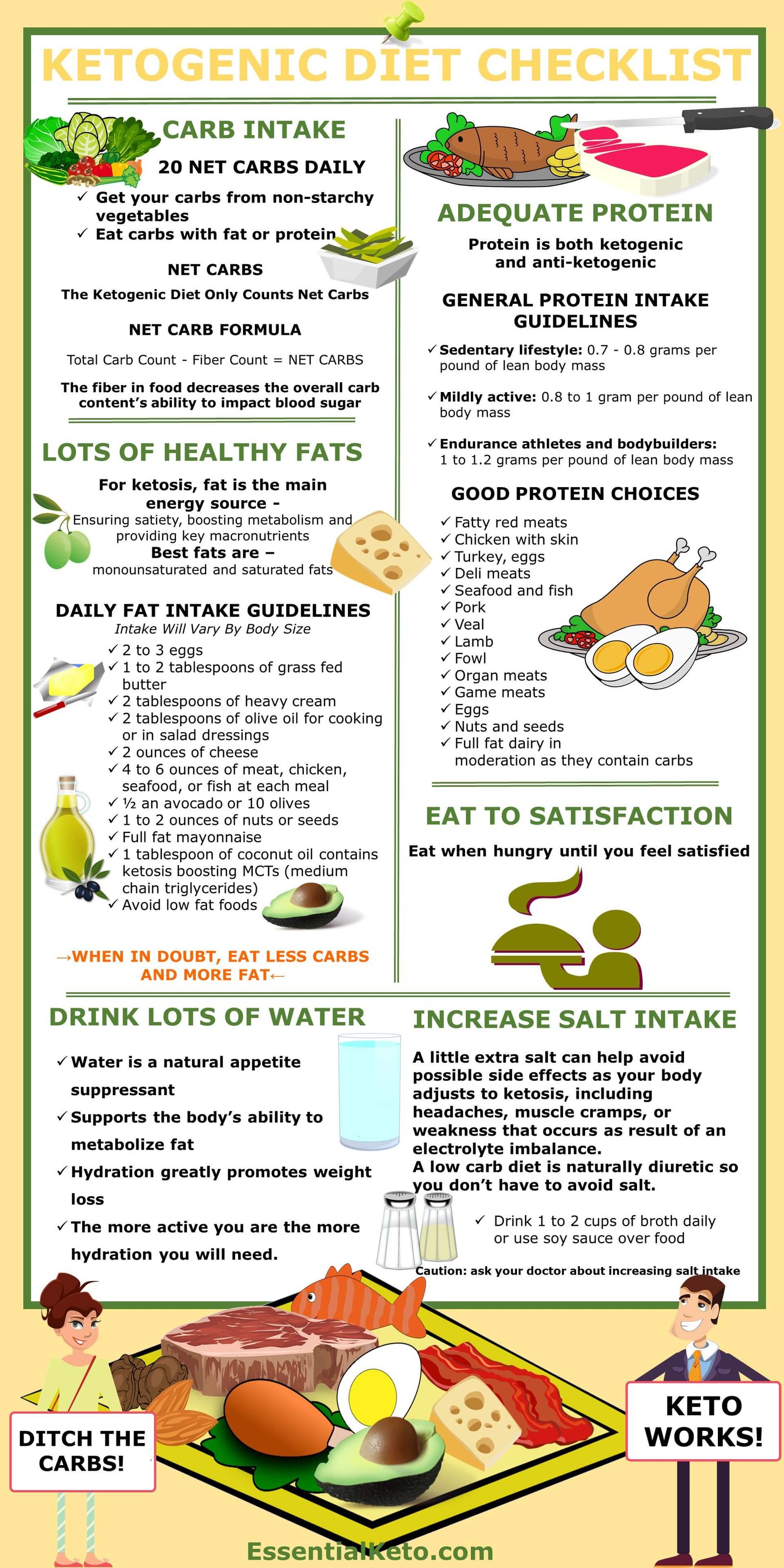
Success on the keto diet goes beyond simply cutting carbs. Preparation consistency are the two most powerful tools in a beginner's arsenal. Start by clearing your pantry of high-carb staples and restocking it with keto-approved ingredients. Meal prepping at the start of each week removes the temptation to reach for convenience foods when hunger strikes. Reading nutrition labels carefully is equally important — many packaged foods contain hidden sugars and starches that can unknowingly push you out of ketosis. Tracking your macros using food diary or a dedicated app helps you stay within your daily targets, especially during the first month when habit is still forming. It also advisable to consult with a healthcare provider before beginning any restrictive diet, particularly if you have underlying health conditions such as diabetes or kidney disease. As you progress, pay attention to how your body responds. Energy levels, sleep quality, and mental focus are all reliable indicators of whether your approach is working. With patience and the right strategy keto diet can become a sustainable and rewarding lifestyle rather than a short-term fix.
12 Easy Ketogenic Meal Ideas For Beginners | Ketogenic Diet Meal Plan

12 Easy Ketogenic Meal Ideas for Beginners | Ketogenic diet meal plan ...
15 Easy Keto Diet Menu For Beginners – Easy Recipes To Make At Home
15 Easy Keto Diet Menu for Beginners – Easy Recipes To Make at Home
Simple's Keto Diet Meal Plan And Menu For Beginners

Simple's Keto Diet Meal Plan and Menu for Beginners