← High Protein Meals for Weight Loss: My Favorite Recipes to Stay Full and Lean Keto Diet for Beginners: Your Complete Guide to Getting Started →
Intermittent fasting has moved from niche diet culture into mainstream health conversations, and for good reason. It's not about what you eat — it's about when. For anyone looking to simplify their relationship with food, manage weight, or improve metabolic health, intermittent fasting offers a structured approach that doesn't require counting every calorie. But before you jump in, it helps to understand what you're actually committing to and how to make it work for your life.
Understanding the Daily Schedule Behind Intermittent Fasting
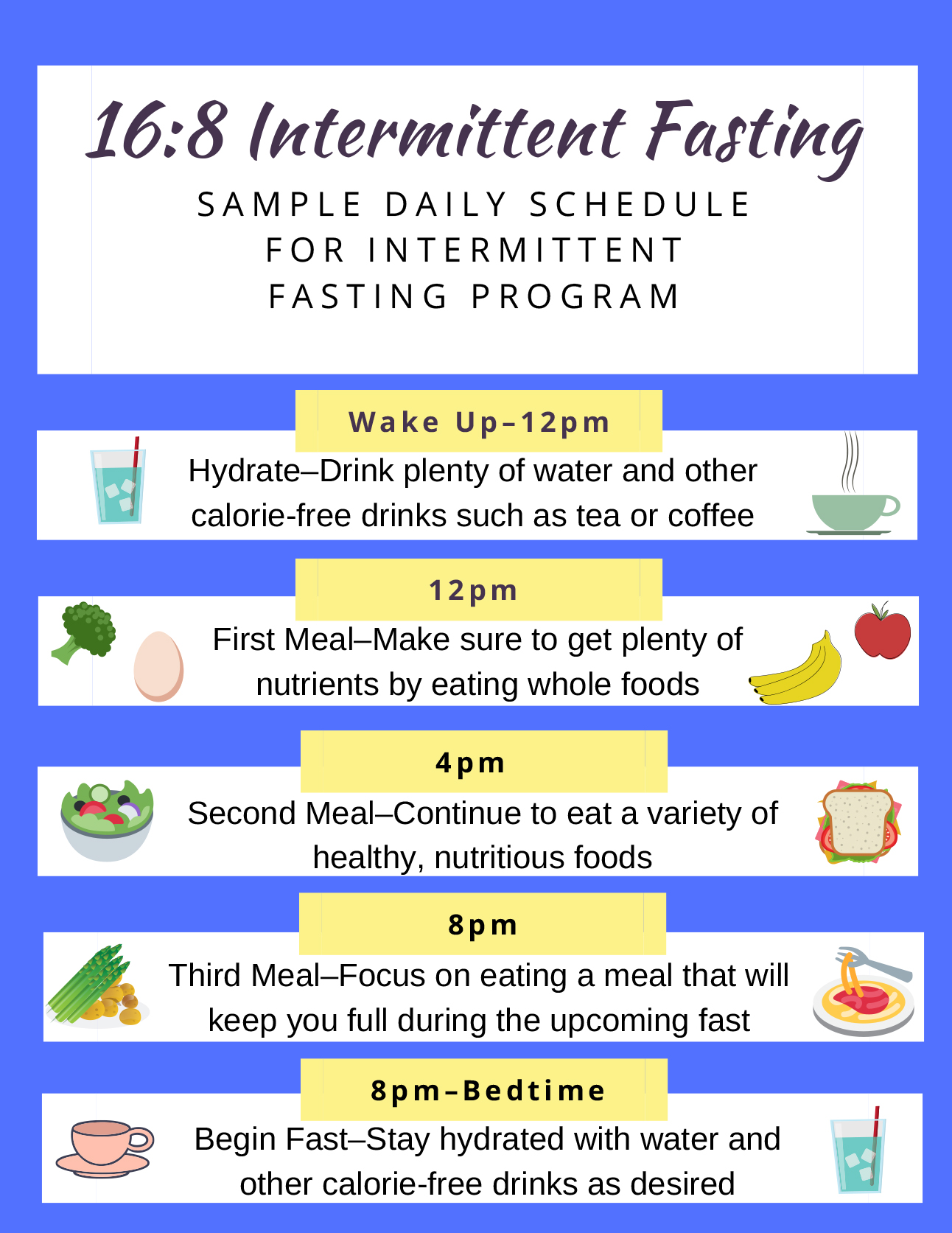
The most common approach is 16:8 method — 16 hours of fasting followed by an 8-hour eating window. For most people, this looks like skipping breakfast, eating between noon and 8 PM, then fasting overnight. Your body spends the fasting hours burning through glycogen stores and eventually tapping into fat for fuel Thisic shift largely drives the benefits people report, including steadier energy, reduced hunger over time, and gradual weight loss. Starting out, the adjustment period can feel uncomfortable. Hunger cues, habit and social eating schedules all push back The key is consistency over perfection — even a few days a week of structuredasting can produce noticeable changes over time.
Building Sustainable Intermittent Fasting Routine
src="https://wellnessrd.com/wp-content/uploads/2022/08/Intermittent-Fasting-Wellness-RD-.png" alt="A visual guide to building a sustainable intermittent fasting routine with meal planning tips">Sustainability is what separates a successful fasting practice from a short-lived experiment. During your window, the quality of food still matters. Prioritizing whole foods, adequate protein, healthy fats, and fiber will keep you fuller longer and help you avoid the trap of overeating to compensate for fasted hours Hydration is non-negotiable — water black coffee, and plain tea are all acceptable during fasting periods help curb appetite. It's also worth paying attention to how your body responds. Some people thrive on 16:8, while others do better with a14:10 split especially when starting out. Women particular may benefit from a more gradual approach, as hormonal responses fasting can differ significantly. Listen to your body, adjust accordingly, and don't treat first few weeks as a definitive test of whetherasting works for you. The real results tend to show up after initial adjustment period passes.
Intermittent fasting is not a magic solution, it's not suitable for everyone — pregnant women, individuals with a history of eating disorders, and those with certain medical conditions should consult a healthcare provider first. For everyone else, it's a practical evidence-backed tool worth understanding Start simple, stay consistent, and give body the time it needs to adapt.
Done For You 7 Day Intermittent Fasting Meal Plan For Beginners – Artofit

Done for you 7 day intermittent fasting meal plan for beginners – Artofit
Intermittent Fasting Update Sample 16 8 Meal Plan Beginners – Artofit

Intermittent fasting update sample 16 8 meal plan beginners – Artofit
Beginner's Guide To Intermittent Fasting In 2024 | Fasting Diet Plan

Beginner's Guide to Intermittent Fasting in 2024 | Fasting diet plan ...